
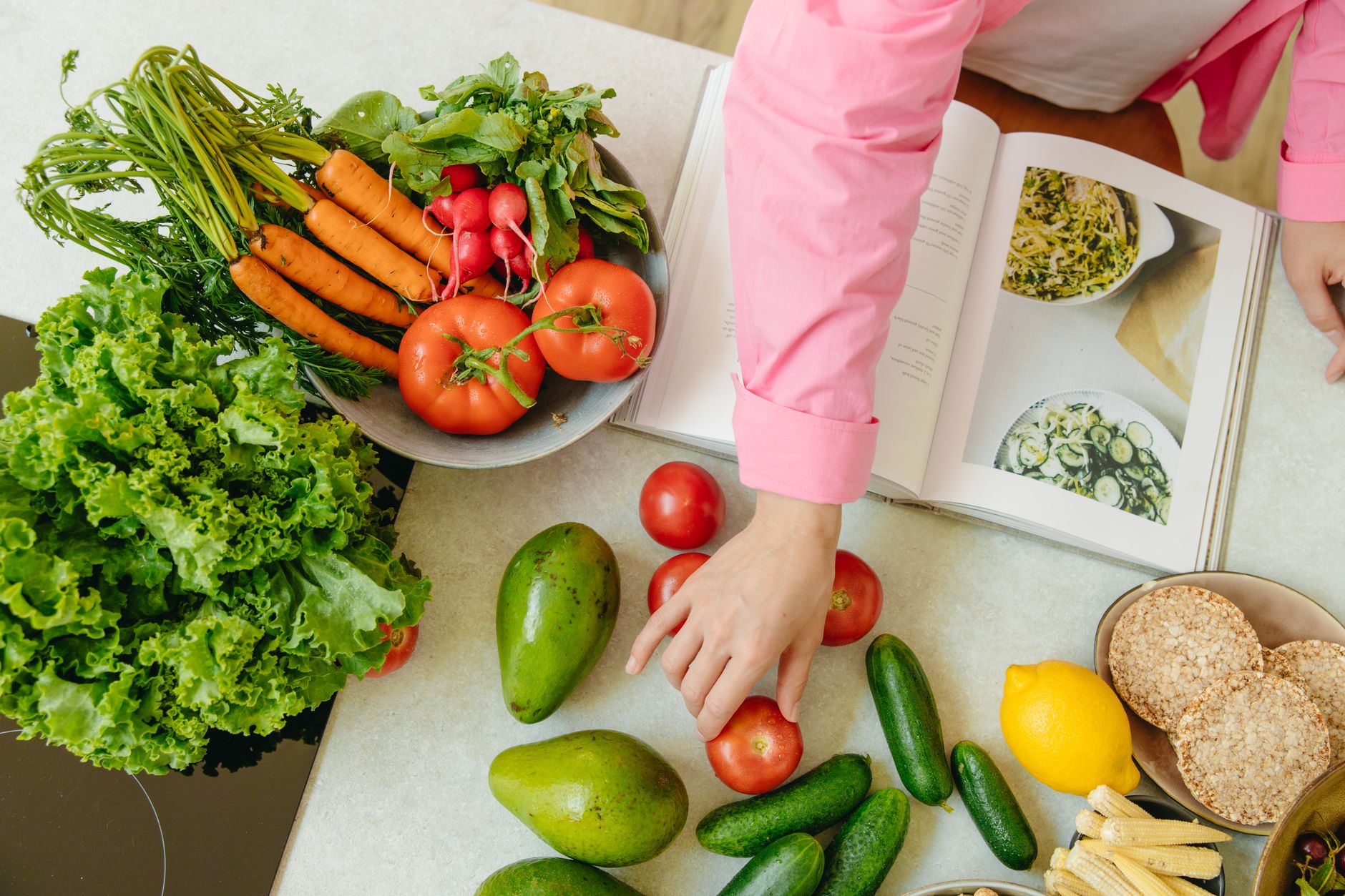
Does cooking dinner stress you out? I used to panic every evening as I scrambled to figure out what I could cobble together from the fridge, freezer, and pantry in a reasonable amount of time. Or I would resign myself to take-out (again).
And then I learned how to meal plan. It felt like magic! Suddenly, dinnertime stress disappeared, everyone knew what to expect, and my kitchen began to run like a well-oiled machine.
Looking back, I almost can’t believe just how much food, money, and time I wasted.
Without a meal plan, I bought whatever sounded good when I went grocery shopping. Inevitably, forgotten ingredients would go bad in the back of the fridge. Even if I took advantage of sales, the food waste added up quickly. And that’s not even accounting for how much money I spent on eating out on top of my grocery bill.
I also spent hours every week frantically Googling random ingredients. I’d stumble on a recipe and hope that it would work out (often with many, many substitutions). Sometimes I’d wing it. While I’m grateful for the experimentation that ultimately made me a much better cook, I regret all of the stress and time glued to my phone.
Luckily, meal planning is a very simple solution to the entire dinnertime conundrum!
How to Meal Plan
1. Figure out how many meals you want to cook between shopping trips
Be honest with yourself here. Take into consideration the time it takes to go grocery shopping, your personal likelihood of making impulse purchases, and whether or not you will eat out at all. Some questions to ask yourself:
- Do you want to grocery shop once per week, or more or less often?
- Will you eat all meals at home or do you know that you’ll eat out at some point in the week?
- If you tend to make meals that have leftovers, how and when will you eat those? They can be great lunches or even dinners later in the week!

2. Consider ingredients you already have on hand.
Do a quick inventory of your fridge, freezer, and pantry. Make note of anything that is getting close to expiring. If they can’t be frozen or otherwise preserved, these should be top priority ingredients for the following week!
It’s also a good practice to make note of anything you have a lot of or may need to restock. This will help you build your grocery list.
3. Begin meal planning when your primary grocery store’s weekly ad is released.
Take a look at the sales and make note of the best deals. If you can, stock up when there’s sales things you use frequently, especially if it’s unlikely to go bad quickly or can be frozen/preserved.
For me, the meat sales are always my top priority. I particularly like to stock up on chicken thighs/drums/legs (or whole chickens) for shredded chicken and bone broth, pork shoulder to make shredded pork, and ground beef, so I’m always looking for those sales!
Because I tend to plan my meals around the protein, I also look at the meat sales for that week’s menu. A sizeable roast or two whole chickens can often be made one night and repurposed for several meals, which saves me a lot of time in the kitchen.
I also look at the fresh produce sales. Fruit often ends up being dessert in our household, while vegetables are often parts of main dishes or sides. Since the sales tend to follow the seasons, it naturally rotates our meals so that we never get sick of anything!

4. Build your meal plan with your (and/or your family’s) schedule in mind.
When planning meals and picking recipes, you have to be brutally realistic with yourself about your needs and limitations. Some things to keep in mind:
- Make sure you use any close-to-expiring items before their expiration date. It does you no good to plan to use an item once it’s already gone bad! Put the meals that use those ingredients early in the week. If it’s some veggies that are past their prime but not actually bad, throwing them into a soup is often a great way to revive them.
- If you’re a newer cook or busy parent, add 50-100% to recipe prep times (or buy pre-prepped ingredients). A seasoned chef in a test kitchen will be much quicker with a knife than you are. Even as a more experienced cook, I still plan for meals to take at least 30 minutes more than the recipe says to account for the unexpected.
- For nights when you won’t be able to make dinner until later than normal, plan something quick. Leftovers and planned/thawed freezer meals are lifesavers here. Otherwise, make sure it’s something that cooks quickly and that you can prep in advance. I’ve found that when I’m tired and hungry, my (and my family’s) patience is thin.
- If you need something quick or portable on a particular night, plan for that (or plan to pick something up). Again, be realistic!

5. Make your grocery list (and check it twice)
Start by making a list of every ingredient you need for every meal you’ve planned. One by one, go through your kitchen and cross off anything you already have. Then make your shopping list based on what remains on that list. Don’t forget to also include any sales items that you made note of in step 3.
Bonus Pro Tip: Write your meal plan somewhere everyone in your household can see it (bonus points if you can see past and future weeks as well)
We have a whiteboard calendar hanging in our dining room. Ever since we started using it, no one has asked me what’s for dinner because it’s right there! I particularly like to use the “notes” section on the side for anyone to note which ingredients we’re running low on.
The benefit of using a whiteboard calendar is that I can see the other meals I’ve made recently, which reduces repetition. I can also see upcoming meals that I can easily prep an ingredient for ahead of time, as well as any future “special needs” nights that I might need to more extensively prep ahead for!

What are your best meal planning hacks? Share in the comments below!




Leave a Reply