
With all the things you need to buy, babies can be quite expensive. And depending on your feeding and diapering choices, those expenses only keep adding up after the baby arrives.
While you may not necessarily get to choose how you feed your baby (milk supply struggles can be very real!), you can choose how you diaper. With a first baby, people are eager to buy things for you and the baby. You may receive a mountain of disposable diapers, but you’d be surprised by just how fast you blow through them.
Instead, put cloth diapering materials on your registry! Most cloth diapering materials will last for years and years – I’ve even heard of people passing them on to the next generation. That means that cloth diapering not only saves you money on your first baby, but also every baby thereafter.
Benefits of Cloth Diapering

We used cloth diapers with our first, and are now beginning to cloth diaper again with our second. On top of the cash savings, we’ve noticed that cloth diapering has had a bunch of other benefits:
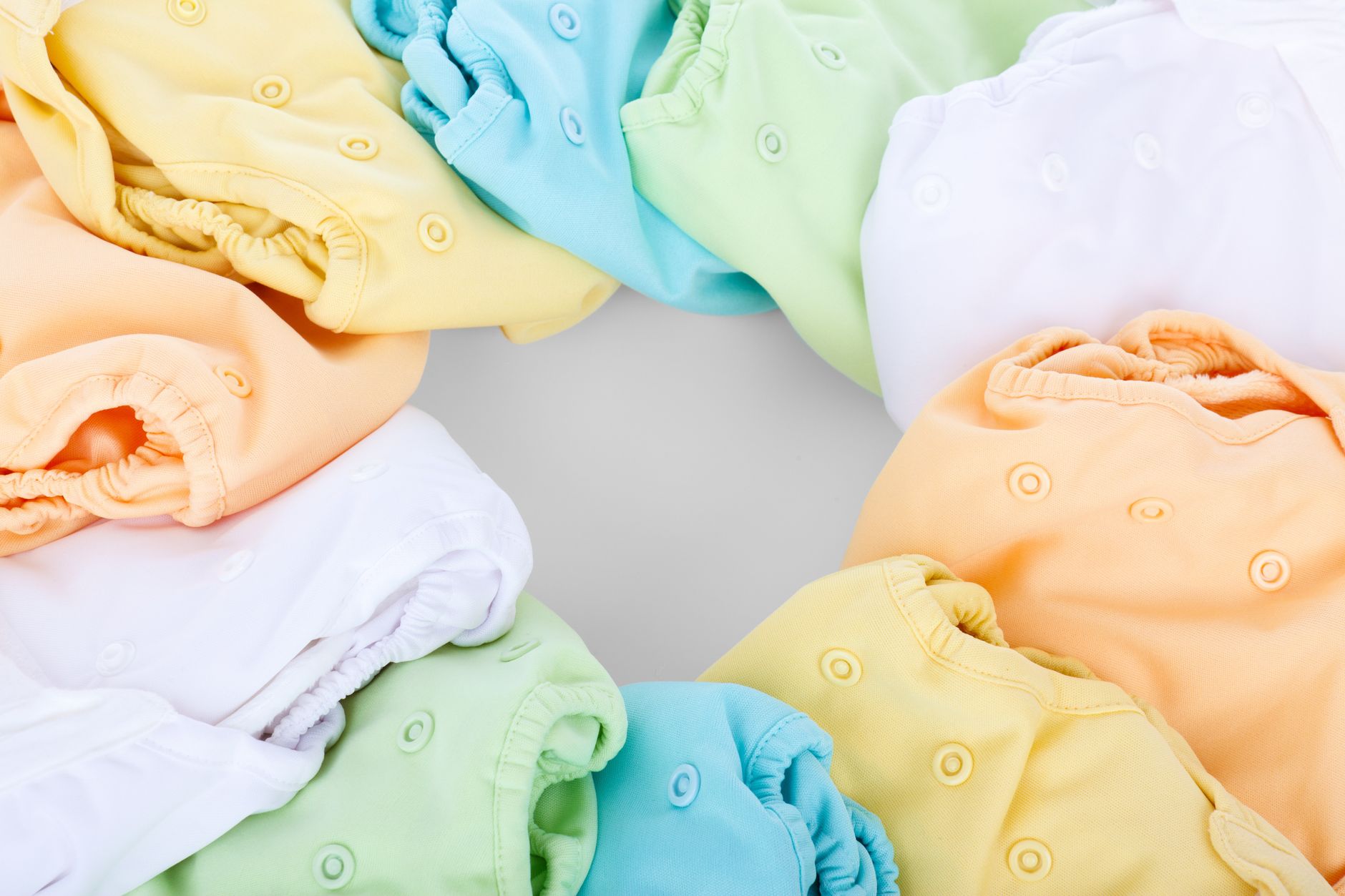
Cloth diaper covers are ridiculously cute
There are so many sweet patterns and fun colors. In the summer, the diaper cover looks good enough to be a full outfit. At least that’s been the case for our boys!
Cloth diapering is more environmentally-friendly
Even if you’re not particularly eco-conscious, it feels bad to throw away SO much. The diapers and wipes really add up, and it feels especially bad when your baby inevitably poops in a brand new diaper the moment you finish changing them. It feels far less wasteful to just start a load of laundry a bit sooner than expected.
Cloth diapers are gentler on baby’s skin
When we’ve used disposable diapers, it seems like our babies have ended up with diaper rash so much more easily. With cloth diapers, diaper rash is almost never an issue.
Blow-outs are exceedingly rare
Almost every single blow-out we’ve dealt with was on the rare occasion that our baby was in disposable diapers. With cloth diapers, if the cloth itself doesn’t catch it, the diaper cover almost always does. And if any escapes, it’s only a very little bit. Perhaps the lack of blow-out horror stories is a downside to some, but I’m happy to trade funny-but-only-after-the-fact stories for cleaner clothes!
Diaper changes on-the-go are easier
Since I’m already planning to pack out the soiled diapers, it’s no big deal if there isn’t a designated changing space. It’s even okay if there isn’t a trash can nearby. And we already have wet bags ready if their clothes are soiled too. It’s shockingly easy to keep messes contained!
No midnight diaper runs
You know when your stash of cloth diapers is running low (likely because your diaper pail is pretty full). We’ve never run out of clean diapers unexpectedly. But if we did, we have some disposables on hands for emergencies (power outages, etc.) that we could dip into while we do laundry.
Potty training is easier after cloth diapering
This is largely anecdotal. but I’ve heard it from other cloth-diapering parents as well. Disposable diapers wick moisture away so fast that babies don’t always realize they’ve soiled their diaper. With cloth, there’s no question. Our first son was potty trained without much struggle at 18 months because he was already aware of when he peeing. Perhaps he was just uniquely easy to potty train, but I’m pretty sure cloth diapers played a role!
Accidents when potty training feel like less of a big deal. It’s still frustrating, especially when you know it was avoidable. But when you would have been cleaning pee or poo out of fabric anyway, every time you catch it in the potty is a huge win.
Our Cloth Diapering Set-Up (What You Need)
Cloth diapering doesn’t require much more than disposable diapering, but there are a few essentials you’ll need to be set up for success.
Cloth Pre-folds

There are other styles of cloth diapers, but we use OsoCozy’s 100% unbleached cotton prefolds with a cover. This has made changes super easy! Honestly, it’s almost as quick and easy as disposables once you get used to it (and that only takes a couple days).
How Many: We have 36 prefolds in size 1 and 30 in size 2. With that many diapers, we do a load of diaper laundry about every 36 hours or so. Honestly, the diaper pail gets full before we get too close to running out, which works out well. We also keep 5-6 prefolds in the diaper bag at all times, but will add more if we’re planning to be out all day.
Durability: Cloth diapers get softer and more absorbent with time, so they’ve only gotten better for us. Plus they’ll work great as cleaning cloths when our diapering days are over. That is, if we don’t pass them along for grandbabies – they’re just that durable!
Diaper Covers

Sticking with the same brand as our prefolds, we use Osocozy’s One-Size Adjustable Diaper Covers. Once you fasten the prefold underneath, just cover it with the diaper cover, then you’re good to go. The double gussets are incredible at preventing blow-outs! I think we’ve only had a handful of very, very minor ones. Occasionally, if we go too long between diaper changes, a bit of pee will seep through, but honestly, it’s no big deal.
How Many: We have 8 diaper covers, but it probably wouldn’t hurt to have one or two more. We rotate between diaper covers at each change (allowing them to dry out in between), washing them when they get dirty or quite wet. Three of the eight diaper covers live in the diaper bag. To make it easy, we got the diaper bag covers all in the same color (that’s different from our other five covers).
Durability: We’re beginning cloth diapering with our second baby and all of the diaper covers are still as good as they were when we bought them (after 18 months of use with our first). However, I’ve heard that the elastic can wear out over time. If you have a bit of sewing skills (or the patience to learn), it sounds fairly easy to replace that elastic though!
Snappis

You could use diaper pins, but honestly, Snappis make fastening diapers so much easier. We actually tried diaper pins at first, but when you’re sleep-deprived with a fussy, squirmy newborn on the changing table in the middle of the night, it’s downright scary to try to fasten the diaper without poking them! I don’t recommend trying it. In contrast, Snappis make changes a breeze. We’re never going back!
How Many: We just get a pack of 5 and rotate through them at each change. One Snappi lives in the diaper bag, just in case the one he’s wearing breaks.
Durability: Snappis aren’t that durable, but they’re also not very expensive ($14 for five). For us, they seem to last about 9 months. We got a pack when our first was born, had to get a new pack when he was about 9 months old, then noticed that they were starting to break down when we potty trained at 18 months. When our second was born, we got a brand new pack.
Reusable Wipes

Washcloths, baby or otherwise, make great reusable wipes! Honestly, you could use any fabric that can handle being machine washed and dried on hot (like the prefolds, to make laundry easy). If you like sewing or want to practice some sewing skills, you can sew some. I am learning to sew and made some that are 100% cotton flannel on one side and terry wash cloth on the other. The flannel is great for most purposes, but the terry side comes in handy with particularly messy poops!
How Many: I think we have about 50 wipes, which is far more than we’ve ever needed! Ours are normal-washcloth-sized, so most changes don’t take more than one wipe because each corner basically acts like a new wipe. They’re great to have on hand for any mess, but really shine when it comes to catching stray mid-change pees!
Durability: It will depend on the fabric and quality, but ours should last for the duration of our childbearing years at least!
A Diaper Pail + Cloth Liners

We have the Dekor Diaper Pail Plus with reusable cloth liners (Dekor used to have them, but at the time of writing, they aren’t available). It’s great. Use the foot pedal to lift the lid and drop the diaper through the inner flap, just like any other diaper pail. Then at laundry time, when it’s full, remove the whole bag and dump it into the washing machine, turning it inside out as you empty it. Wash it with the rest of the diaper laundry and hang it to dry with the diaper covers (and wet bags).
How Many: One diaper pail and two liners (one in the pail, one in the wash) is all you need!
Durability: They seem quite durable and do a great job at keeping smells contained. I’d be very surprised if they didn’t last the duration of our cloth-diapering years, though I don’t know if they’re quite durable enough to last multiple generations.
Wet Bags

When you’re on the go, you need a place to store dirty diapers until you get home. Wet bags are the solution! They’re great at containing wet and poopy diapers, as well as smells. You’d never know you had a diaper bag full of dirty diapers! Plus, they’re great for soiled clothes in the potty-training years and wet swimsuits or other wet clothes later on.
How Many: Make sure you have at least 3. We always keep two in the diaper bag, just in case, even though we usually only need one at a time. That means that if we go out multiple days in a row, we have one in the wash, one in use, and one backup. However, it doesn’t hurt to have more wet bags!
Durability: It depends on the brand. Our first wet bags (I don’t know the brand – they were a gift) seemed to seep a bit after a few months, so we bought a new pack from babygoal. Those have lasted for over two years of regular use (including soiled clothes and wet swimsuits) and are still going strong!
A Spacious Diaper Bag

If you’re cloth diapering, you’re probably not going to be able to get away with a cute little diaper bag. A big diaper bag will be so much more comfortable. We have the KeaBabies diaper bag, which comes with a changing pad.
How Many: Just one is all you need. However, it’s nice to have a backup diaper bag in the car (with cloth diaper stuff or disposables – up to you), in case of emergencies – like forgetting your main diaper bag or having a particularly messy outing.
Durability: Depends on how you use it, but ours is still on great shape after almost 3 years of regular use!
What It’s Like to Use Cloth Diapers

If you’re exclusively breastfeeding and unsure about cloth diapering, I recommend trying it for at least the first six months of your baby’s life (until you start solid foods). Breastfed baby poop is totally water-soluble, meaning that you can throw all the diapers directly in the washing machine, regardless of whether they’re wet or poopy.
With no pre-washing needed, it’s incredibly easy and you don’t have to touch poop any more than you would have to with disposable diapers. The only extra work for cloth diapering in the first 6 months is an extra load of laundry every day or two.
Cloth Diapering On-the-Go
It might seem intimidating to cloth diaper when you leave the house, but it’s actually shockingly easy for day-to-day errands. Just as you would do with disposables, you just bring a stash of cloth diapers and wipes in your diaper bag. Get a few wet bags for bringing soiled diapers home, and it’s all taken care of.
We found that the best system was to have a set of diaper covers (in a different color) that live in the diaper bag. Before you leave, just make sure you have diapers, cover, wipes, and wet bags, plus a change of clothes or two. It’s no more complicated than disposable diapers.
Cloth Diapering after Starting Solids (or if formula-feeding)
Once you start solids (or if you’re formula-feeding), you can’t just toss a poopy diaper in the washing machine. Fortunately, all you need to do is get the solid matter off the diaper by swishing it in the toilet.
Yeah, it’s kinda gross to get poopy toilet water on your hand. There are special sprayers and stuff that you can buy if it really bothers you. But at least for me, by 6 months, it didn’t really phase me because baby poop is kind of part of life as a parent. Just wash your hands really well afterward!
Honestly, if anything, it was a benefit. Needing to clean poopy diapers was one of the main reasons we potty-trained at 18 months with our first and I’m so glad we did. Once he turned two, he became much more strong-willed and opinionated. It would have been more difficult if we had waited. Honestly, we hope to potty train our second at closer to a year!
Is Cloth Diapering Right for You?

I think cloth diapering is a good choice for most families, but there are a few situations that might make it too much of a challenge:
- Your baby is brand new. Meconium is nasty, sticky stuff. We just buy a pack or two of disposables for the first week or so until the meconium is gone.
- You’re on vacation. It’s easier to use disposables on vacation because you don’t have to pack your entire diaper setup and figure out a way to do laundry. Save yourself the headache and use disposables for the duration of vacation. We always have a new appreciation for cloth diapers when we get home!
- You can’t send your kid to daycare in cloth diapers. Many daycares will only allow disposables, so it might be easier to just stick with disposables. However, I know families who use disposables at daycare but cloth diapers at home. Even part-time cloth-diapering will save money!
- Most importantly, you have to pay for laundry. The cost benefits of cloth diapering go down the drain if you have to pay for each load of laundry. Depending on the cost of each load, it might end up being cheaper to pay for disposables. My husband and I actually moved to a new apartment where we could have our own washer and dryer when I was pregnant with our first because using the communal laundry would have made cloth diapering pointless.
Do (or would) you use cloth diapers? Share your experience (or best tips) below!





Leave a Reply