
In some seasons of life, it’s hard to eat healthy. Whether you’re busy with work, school, or kids, or recovering from a major health event, takeout, delivery, or other ultra-processed food can become a tempting option. However, with that convenience comes health impacts that can drain your energy (and financial costs that will drain your wallet).
And even if it’s not a particularly difficult season, meals can still be a challenge. I’m sure I’m not alone here, but I hate to feel rushed and frantic to get dinner on the table as meal time rolls around. Not just because those are the nights when something unexpected inevitably crops up (whether that’s a toddler meltdown or a missing ingredient), but also because it makes it hard to peacefully enjoy the family time.
Luckily, there’s another way.
Meal prepping is a great way to continue eating healthy, even in life’s most chaotic and difficult seasons. And it doesn’t mean you have to eat the same thing every night for the whole week! In fact, meal prepping can take on many different forms to accommodate a wide variety of time constraints (on the prep and serving side) and taste preferences.
1. Piecemeal Meal Prepping

This is my main style of meal prepping as a busy stay-at-home mom. I have time to make food from scratch, but it’s not always at the most convenient moment. Instead of prepping full meals in advance, I do a bits of prep for other meals when I get a chance.
Here’s what that looks like:
- Chopping veggies for all the recipes in a week. You’ve already got the cutting board and knife out, so might as well get some extra prep out of the way!
- Batch cooking meat (like shredded chicken or shredded pork) for meals later in the week or for the freezer. Unseasoned pre-cooked meat is incredibly versatile and can be used in pretty much any recipe (even ones that start with raw meat – just skip to the point in the recipe where the meat is cooked). It also allows me to stock up when there’s a good sale so I’m rarely paying full price.
- Making all the beans (rice, etc.) for the week at once. Rather than soaking and boiling a pound of beans 3 times in a week, just do 3 pounds at once. Portion (and label) the excess for the later meals.
- Putting together the dry seasonings you need for your meals in a small bowl or bag (and label it with the day and recipe name). You’ve already got your measuring spoons out, so just take care of all the meals for the week while you’re at it.
- Making a double batch of baked goods you eat regularly. Just freeze half! It will take a bit longer than making a single batch, but will take less time overall than making two batches at different times!
2. Batch-Cooking Freezer Meal Prepping

There are some seasons of life when you know you’ll need a big stash of freezer meals.
Right now, in my third trimester of pregnancy, I’m leaning into batch-cooking in a big way. If I’m making a nutrient-dense soup or stew that works well as a freezer meal, I’m doubling, tripling, or even quadrupling the recipe in my 20-quart stockpot when I make dinner and portioning the leftovers out in Souper Cubes and freezer bags.
Beyond intense seasons of freezer meal prep, it can also be nice to just have a little freezer meal stash as a “just in case.” Thing happen, like:
- Everyone in the family getting sick. Homemade chicken soup is great to have on hand. I always have at least a few bags in the freezer going into the fall!
- A friend has a new baby. Keep some nutrient-dense meals on hand to bring over at the drop of a hat! If she’s open to it, I highly recommend something with hidden liver. It can help to rebuild mama’s nutrient stores and prevent anemia.
- A neighbor is recovering from surgery, illness, or an injury. Bringing over a nice meal is a great way to show you care!
- Life gets crazy, dinner burns, or a recipe flops – it’s always nice to know there’s a backup in the freezer!
3. Mix-and-Match Weekly Meal Prepping

I relied heavily on this style of meal prep when I was living alone in grad school. With classes often ending right at 5 or 6pm, I didn’t feel like cooking when I got home. The solution? On Saturday and/or Sunday, I would make all the food I would need for the week. To prevent myself from getting sick of my meal options, I’d make sure that it was versatile and/or that I had at least a few different meals that I could pick and choose from.
Practically speaking, here’s what that looked like:
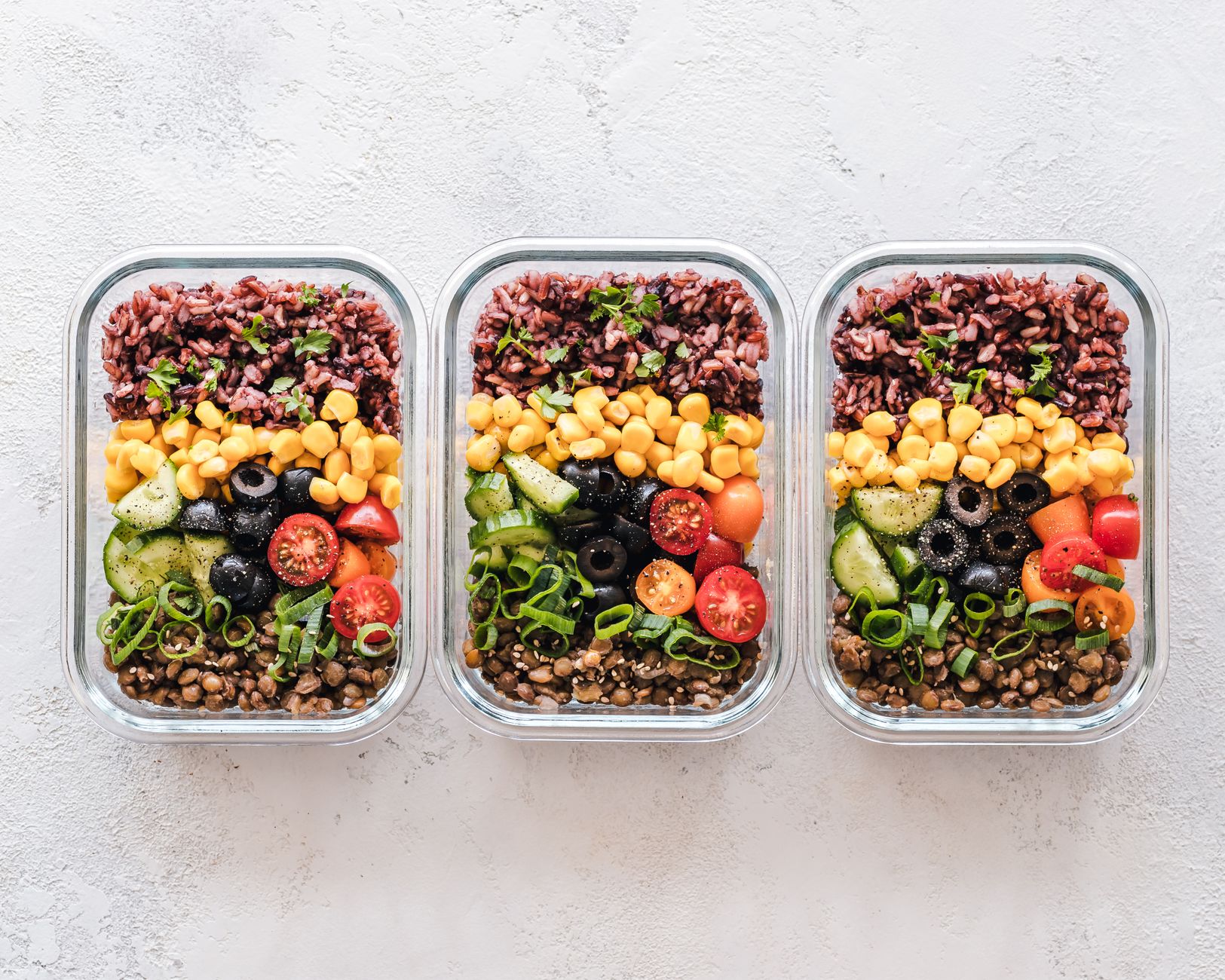
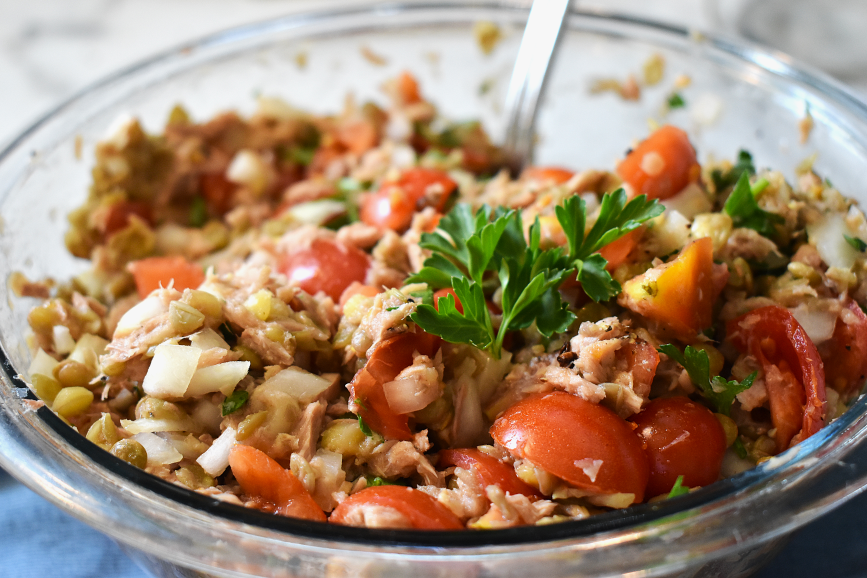
- Bowl meals: If I could mix-and-match proteins, veggies, and/or starches to make different bowls, that made life super easy! Taco bowls, sushi bowls, salad bowls, pasta bowls – any kind of bowl. Sometimes I leaned heavily on canned goods (like canned fish and beans) and sauces (homemade or purchased), but it made for very quick & easy dinners that were much more affordable than takeout.
- Prepped-Ahead Protein + Carb with Frozen Veggies: Similar to a bowl meal, but a bit less cohesive and themed. I’d prep a bunch of a protein-heavy main dish or two based on what was on sale and maybe a few carb options (rice, pasta, beans) on my meal prep day. When dinner time rolled around throughout the week, I just heated up whatever protein sounded good with whichever carb appealed along with some frozen veggies.
- Soups and Casseroles: A batch of soup or a casserole goes a long way when you’re living alone (or with just one other person). Sometimes I’d keep some in my freezer for later. Other times, I’d just space out leftovers as lunches and dinners throughout the week.
Tips & Tricks
As a die-hard meal prepper, here are some tips & tricks I’ve learned along the way:
- Before you meal prep, you need to meal plan! This prevents food waste and ensures that you always have the ingredients you need on hand.
- Leftovers can sometimes seem bland. Bring them back to life with a bit of salt and maybe a touch of acid. Lemon juice, lime juice, or apple cider vinegar are my favorites!
- Refrigerate leftovers before you freeze them. This will keep your freezer a safe temperature and prevent freezer burn.
- Freeze bags of food as flat as possible, whether they hold meat, soup, vegetables, or something else. This helps them defrost more quickly and saves freezer space.
- Invest in some glass tupperware! It will last much longer than the plastic stuff, which will save you money in the long run. Plus glass also can be heated up safely (in a microwave or oven/toaster oven). Plastic should not be. We don’t want to be consuming extra microplastics!
How does meal prepping work for you and your family? What are your best tips? Share in the comments below!


Leave a Reply