
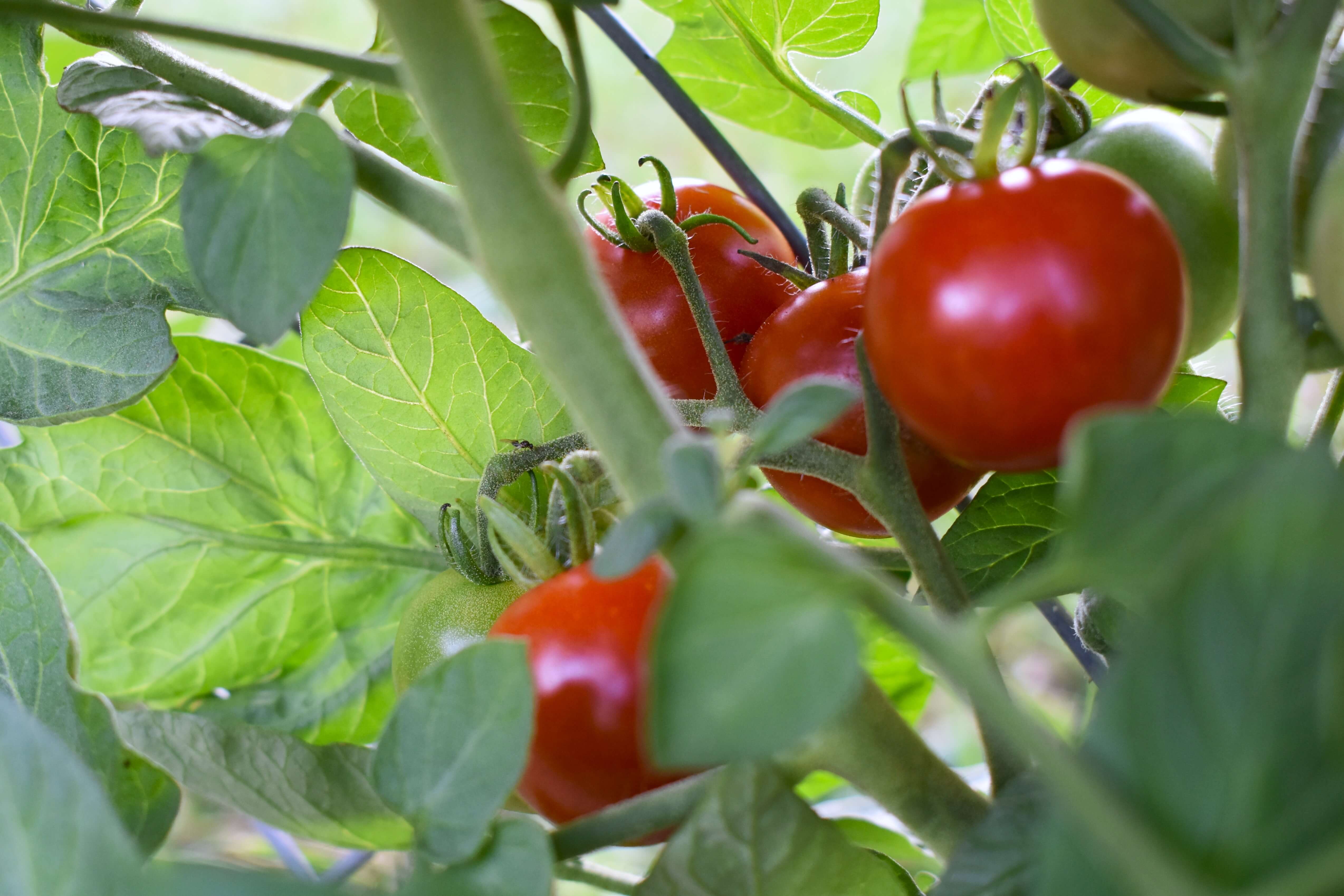
Perhaps you’ve been inspired while scrolling Instagram or Pinterest – a home vegetable garden just looks so fresh and beautiful! It’s the sort of slow-living, cottage-core trend that looks at once effortless and entirely blissful. Just imagine all the fresh salads and basically free vegetables that will come tumbling into your kitchen!
But then you actually start planning it and realize that it’s not nearly so simple or dreamy. There’s the dirt and the bugs and the unpredictable weather that seems to try to thwart you at every turn. And where should you even put it?
Perhaps you’re wondering – is it even worth it?

Growing a Home Vegetable Garden is Always Worth the Effort
Even with all the difficulties, a home vegetable garden is worth putting in some hard work, having some setbacks or disappointments, and getting your hands dirty. It can be just a few pots on a sunny windowsill, an in-ground garden on an awkward part of your property that is hard to mow, or a bunch of beautiful raised beds in the perfect spot in your backyard.
It may or may not look Pinterest-perfect (mine never does!), but the benefits go much more than a pretty picture.
1. Anything you grow in your home vegetable garden tastes so much better than anything store-bought
Farmers breed commercial crops for productivity and pest and disease resistance, rather than flavor and nutrients. They also pick those fruits and vegetables well before they are ripe to prevent bruising and spoiling in transit. If the produce hasn’t ripened in transit, stores then sell them underripe or ripen them artificially. As I’ve learned from the bit of gardening I’ve done (and bringing underripe fruit in before fall frosts), fruit ripened on the plant tastes significantly better than fruit ripened inside.
2. You can save a lot of money without a lot of effort or a big garden by growing herbs
You don’t need to have a mini homestead or attempt self-sufficiency to save a lot of money on food with a garden! Some of the most expensive things in the produce section are fresh herbs. Yet those are some of the easiest and most forgiving to grow! Whether you have a backyard garden or just some pots in a (somewhat) sunny windowsill, you can grow herbs. And I think an herb garden still counts as a home vegetable garden!
Many herbs, such as oregano, thyme, rosemary, and chives, are perennials, which means that they come back year after year. Those Mediterranean herbs actually prefer poor, sandy soil and can even handle some shade. They can handle some neglect, especially once established. Parsley is a biennial, so it flowers in its second year – but at least you get two growing seasons with it! Cilantro (which prefers the cool seasons) and basil (which prefers the warm and hot seasons) are annuals, meaning you need to plant them each year. However, they grow fast and will provide you with plenty for fresh usage plus some for storage in their short lives.
3. You can grow quick and easy cut-and-come again salad greens (and prevent spoiled produce)
I love vegetables, but I’m not always in the mood for a salad. Sometimes I’ll buy some salad greens, then end up wasting some of them because I just didn’t feel like eating salads in time. Other times, I’ll accidentally put them in a cold spot and they’ll freeze and wilt. When I grew my own lettuce, however, everything changed.
Suddenly, I found myself eating way more greens – in salads, on sandwiches and burgers, or in other creative ways. They tasted so much better, kept their crisp texture, and were just out there in the garden, ready whenever I wanted just a couple leaves here and there. Or I could harvest a bunch and make a delicious salad to share (basically for free). I just had to scatter seeds in early spring, let the rain fall, and soon I had baby greens everywhere!
One of the benefits of growing lettuce and other salad greens is that they, like herbs, are quite easy. They need to be watered, but spring’s rainy weather often takes care of that without much effort. And since they prefer the cooler temperatures of spring and fall, if you have them planted in a shadier spot, you may even get some greens in the warmer months. That’s great news for anyone who feels dissuaded because they don’t have a sunny spot for their garden. You can grow both herbs and salad greens – a bounty that your taste buds will thank you for!
4. You can experiment with interesting varieties in a home vegetable garden
In the store, you have limited produce options. It might not seem like it, but just take a look through a seed catalog. The first time I did I was shocked by how many different varieties existed! Beyond the novelty of purple bell peppers and black tomatoes is a world of flavor that I didn’t even know existed. I’ve learned that there are varieties of certain vegetables that our family can’t get enough of. Then there are those we’re not too keen on. It’s been a lot of fun to taste a wider spectrum of flavors with veggies we thought we liked and or disliked – and then were proven wrong!
You can also grow varieties or vegetables that are difficult or expensive to buy at the store. The one that has delighted us the most so far is hot peppers. Incredibly easy to grow, they yielded far more fruit than we could eat fresh (despite our best efforts). I quickly learned to ferment them for easy long-term storage. Now we have the best pickled peppers we’ve ever tasted and completely unique hot sauces to last us multiple years!
5. You will eat healthier if you have a home vegetable garden
Whether it’s a full garden or just some pots, I’ve found that eating a bit of home-grown food encourages me to eat a lot fresher. The brightness of garden-fresh produce just drowns out processed junk food, making it far less appealing. Plus, you may end up with a bumper crop of one veggie or another! It’s hard to let such delicious food go to waste, so you’ll find creative ways to eat and store it.
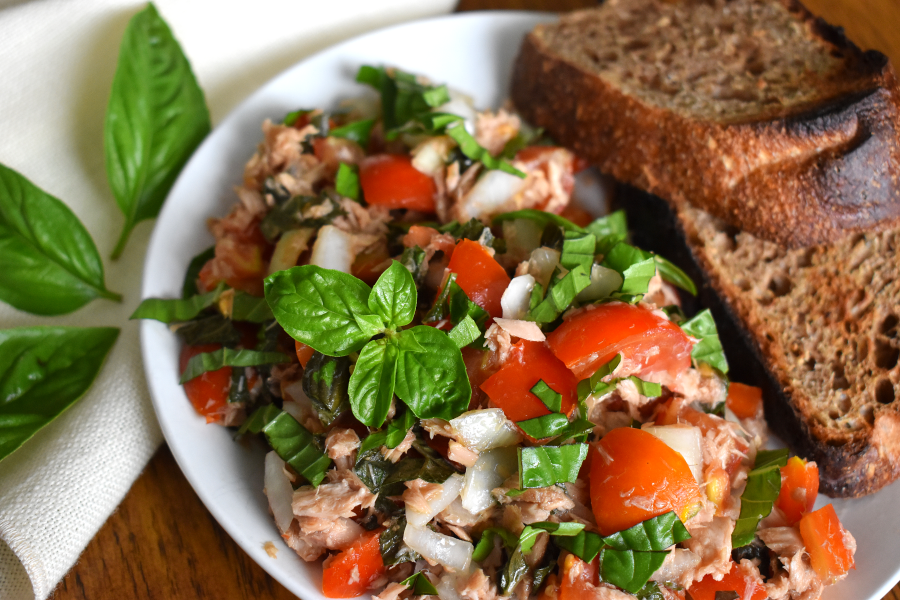
For example, we ended up with a lot of tomatoes in early fall last year. I used my oven to turn them into “sundried” tomatoes. We ended up with quarts of sundried tomatoes. Between those and the pesto I frozen when my basil went crazy, we have had some delicious, easy, and free-but-would-have-been-very-expensive meals throughout the winter. You don’t waste such fresh flavors on junk food. Instead, you make something equally fresh to go with it.
Just tasting such a glimpse of summer in the middle of a January snow storm lifted our moods. It also inspired us to make healthier choices than to only eat cookies and hot chocolate.
6. Working with plants and digging in the dirt will boost your mood
Look, I’m not much of a hippy. I’m rather girly and I generally hate being dirty. However, there is something about being outside, hands covered in dirt, taking care of plants that always makes me feel more alive.
As a Christian, I think it is partly being surrounded by God’s creation, tending to it as we were intended to do from the beginning. I’ve started to notice that the rhythms of the garden mirror the liturgical year. The Bible is also full of gardening metaphors and I’ve found that I understand those verses more now that I’ve done some gardening. The loving, meticulous, individual care that I give each plant is a reflection of God’s even greater love for each person. It hurts me to prune the plants I have encouraged to grow, yet I know that it is necessary for their health and long-term flourishing. I often wonder if that is how God feels as He works on us for our sanctification!
One book I have thoroughly enjoyed on the topic of the importance of working in the dirt and good stewardship of the land is Wendell Berry’s The Gift of Good Land. When I was reading it, it felt like he was reading my mind, but putting it into much more eloquent words than I could ever hope to. It really made me wonder how many of our modern problems could be solved if more people grew their own garden!
7. Eating from your home vegetable garden brings greater joy and satisfaction than you can imagine
There is little in life like the joy of eating from your own garden. As Psalm 128:1-2 puts it:
“Blessed is every one that feareth the Lord; that walketh in his ways. For thou shalt eat the labour of thine hands: happy shalt thou be, and it shall be well with thee.”
Truly, there is nothing like eating food that you grew from seed (or from a nursery start), whether it’s a garnish of fresh herbs, a small salad, or all of the vegetables on your plate! Your mental and physical health will thank you for making just this one small step toward true wellness.

What are your reasons for growing a home vegetable garden? Do you think it’s worth it? Let’s chat about it in the comments below!






Leave a Reply